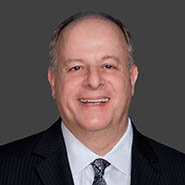

Robert Rosenberg is Quoted in a CNET Article Titled, "OpenAI Says It's Giving Sora Users More Control Over How Their Images Are Used."
OpenAI is giving users of its Sora app more control over how their images and likenesses are used in AI-generated content. The company is rolling out new settings that allow individuals to restrict the use of their “cameos” in specific contexts, such as political videos, and to define other boundaries for content creation. This update comes in response to early concerns over privacy, deepfake risks, and potential misuse of likenesses. OpenAI is also embedding provenance markers, both visible and invisible, into generated content and enhancing content filtering to ensure better oversight and traceability.
Originally, the platform had leaned toward an opt-out approach, whereby when you sign up for Sora, you can opt out of letting other people use your likeness. Bigger copyright holders, like movie and game studios, needed to opt out if they didn't want OpenAI's video model to be able to create clips using their copyrighted characters and imagery.
However, Robert noted that this simply isn't how copyright law works. "The law has been around a long time that copyright attaches to works from the moment that they're created," Rosenberg said. For OpenAI to say you need to opt out "was a complete nonstarter for the copyright community."
OpenAI reversed its stance late last week after Sora's launch. And the company isn't stopping there. The shift toward an opt-in model now lets users and rights holders specify exactly how their likenesses or characters may be used, giving them a more granular level of control. OpenAI is also exploring revenue-sharing options for rightsholders who permit their characters to be generated, though the details of this model are still evolving.